4 Horsemanship Tips

Are you breathing?
When riders focus they tend to hold their breath. Talk. Tell your horse what you are doing (literally, it also helps you keep track.) Sing to him or whistle. Anything!

Alternative Horsemanship™ Horse behavior help, equine communication, groundwork and rider mindset. Understand the horse and develop quality horse skills to address sources vs symptoms of unwanted equine behavior.
4 Horsemanship Tips
Are you breathing?
When riders focus they tend to hold their breath. Talk. Tell your horse what you are doing (literally, it also helps you keep track.) Sing to him or whistle. Anything!
Reviewing The Release

As with everything, there are many interpretations when it comes to the terminology associated with horses. I try to be clear and precise in the words that I'm offering, but there still can be a gray area in the human student's understanding. This often comes from their level of awareness, background, and unintentional anticipation/expectation of their mind "getting ahead" of wherever they are currently at with their horse.

Timing Matters
Acknowledgement of the horse trying and searching for what is being asked of him Matters
The Equine's Feedback Matters
The Human having Empathy for what the horse is experiencing Matters
The Human addressing the horse in a manner that builds the animal's trust Matters
Every moment of the interaction Matters
Quality Commuication Matters
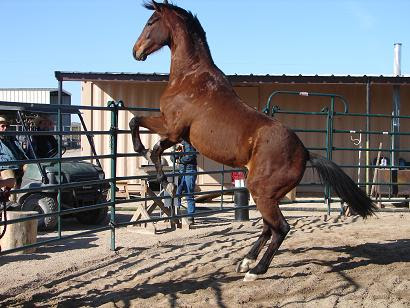
Photo Credit: Unknown
Final Alternative Horsemanship Daily Demo Clinic
Saturday, June 25, 2022 The Goal and Purpose of the Clinics
Learning how to Learn

I find the way most people offer information to the horse is with an expectation of tolerance by the equine.
Rarely is there any consideration for being able to influence the horse's focus, redirect his thoughts, help him let go of physical tension, or have many of the other tools needed so that he can learn how to think through the unfamiliar, rather than just tolerate it.
Why does it matter?
Because each interaction you're teaching the horse to either become more weary and distrustful of the human experience, or you're increasing his curiosity and building his confidence for all that you ask of him in the future.
The real motivation, even without acknowledging the horse and what he is experiencing, might come from asking oneself, "Wouldn't it be easier to set the horse up for success from the start, rather than having to undo unnecessary traumatic experiences and dangerous coping behaviors created because of hurried, unclear, and lack of quality human communication?"

